Why is this part of Florida called the Treasure Coast? Because in 1715, a hurricane wrecked a Spanish treasure fleet along its Atlantic shore. The ships carried gold, silver and other valuable cargo. Survivors reached the beach, Spanish crews worked to recover the treasure, and pirates later arrived to steal some of what had been brought ashore. 1 2
It sounds like the beginning of an adventure story. But the ships, the hurricane and the pirate raids were real.
There is one important detail to know before the story begins: pirates did not sink these ships. The storm did. The pirates came afterward.
Ships with treasure in their holds
More than 300 years ago, ships were one of the main ways to move goods across oceans. Spain sent fleets between its American colonies and Europe, carrying cargo that helped support its empire and the merchants involved in the trade.
The ships in the 1715 fleet gathered in Havana, Cuba, before beginning their journey toward Spain. Their holds carried silver coins, gold, jewelry and porcelain, along with goods such as tobacco and dyes. 1
Imagine trying to fit everything needed for a long ocean voyage aboard a wooden ship. The crew needed food, drinking water, ropes and tools, as well as space for the cargo. They could not stop at a shop in the middle of the Atlantic if something ran out.
The ships carried cannons to help protect them from attackers. But their greatest danger on this voyage was something a cannon could not stop: a hurricane.
The hurricane of July 31, 1715
The fleet left Havana in July and followed Florida’s east coast northward. The ships used the Gulf Stream, a strong ocean current, as part of their route toward the Atlantic crossing.
Then the weather changed.
On July 31, 1715, a hurricane devastated the fleet along the coast. Ships were driven toward the shore and reefs, where their wooden hulls broke apart. Cargo went down with the wrecks. The disaster took many lives, and people who reached land needed urgent help. 1
The wrecks were scattered, so survivors from one ship did not immediately know what had happened to everyone else.
Today, a treasure story might make us think first about the gold. For the people who reached the beach, drinking water, food and shelter mattered much more.
Survivors on the shore
The survivors formed camps near the wrecks and tried to get word back to Havana. Relief ships eventually arrived with supplies, people and equipment to help. 1
This was not an empty coast. Indigenous communities had lived here long before the Spanish ships passed by. Florida State Parks describes thousands of years of human history in the Sebastian Inlet area. 3
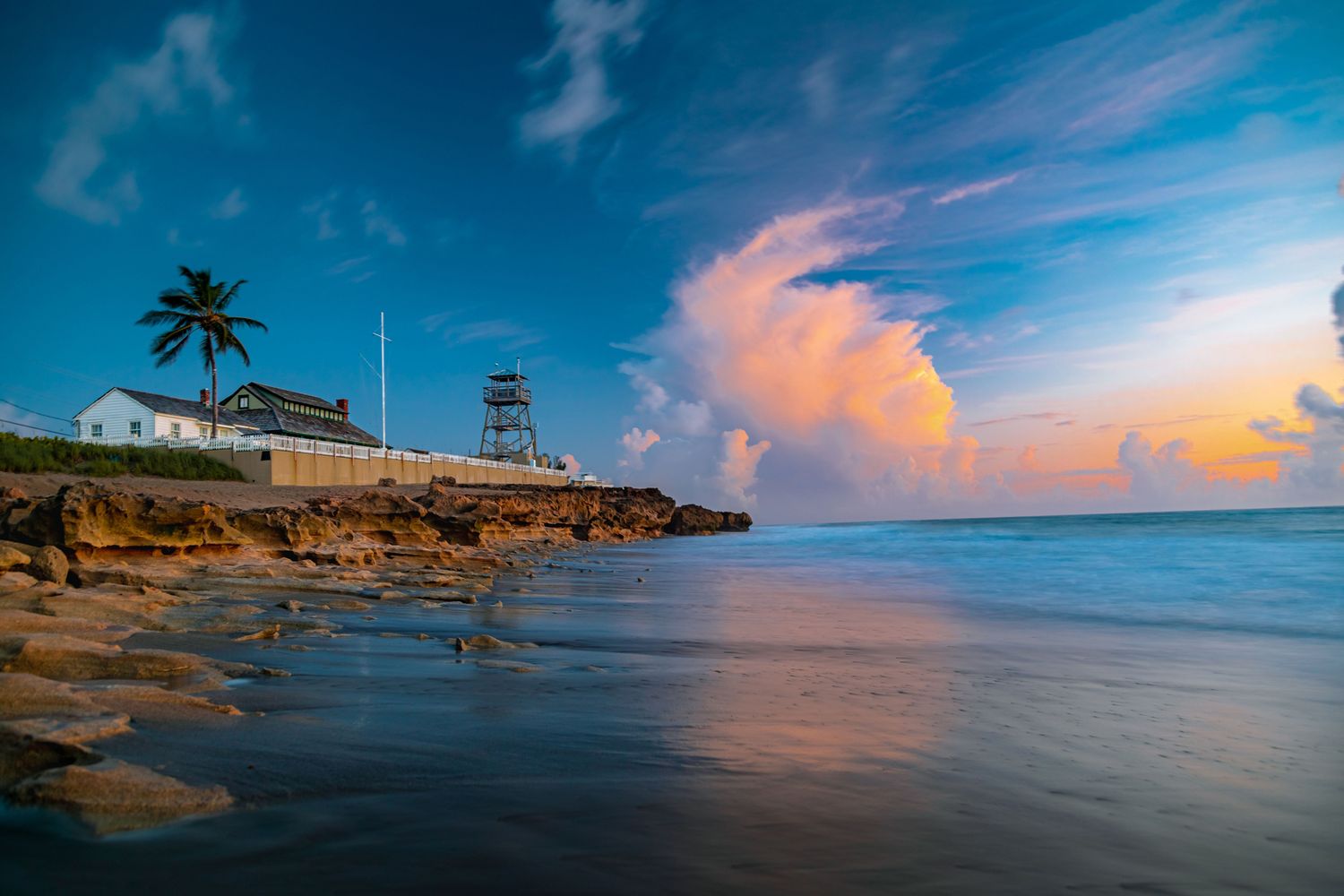
One camp connected with the shipwreck survivors and salvagers is associated with the site of today’s McLarty Treasure Museum. The museum helps explain what happened to the fleet and the people who lived through the disaster. 2 3
Here is a question to think about: if you had reached shore after a shipwreck, what would you need first? A gold coin might be valuable, but it would not give you a drink of fresh water.
Bringing treasure back from the sea
The Spanish began trying to recover the lost cargo soon after the disaster. This work is called salvage: recovering things from a damaged or sunken ship.
Crews used boats, divers and equipment to search the wrecks and bring valuables ashore. Some cargo was recovered quickly. Other treasure stayed among the broken ships and shifting sands. Spanish recovery efforts continued into 1718. 1
Finding the treasure was only part of the job. Once coins and other valuables were back on land, someone had to guard them.
That is where the pirates enter the story.
Henry Jennings and the pirate raid
News of the wrecks and the recovered treasure spread. A man named Henry Jennings saw a chance to take valuables that Spanish crews had already recovered.
Historical accounts place his raid on a Spanish salvage camp in late 1715 or early 1716. The accounts disagree about the exact date and location, but they agree that he targeted treasure onshore after the hurricane. The Fleet Society’s history names Jennings and John Wills in the attack. 1 4
Instead of searching every wreck himself, Jennings stole from the people doing the recovery work.
That makes the real story different from many pirate tales. These were not pirate ships defeated in a battle, and there was no buried chest marked with a convenient “X.” There was a wrecked fleet, a difficult salvage operation and raiders who took advantage of it.
The pirate chapter is exciting to read about, but the people guarding that treasure would not have thought of it as a game.
What happened to the treasure that remained?
The Spanish did not recover everything. When the salvage camps were abandoned, cargo and wreckage remained offshore. Over time, the sites became harder to locate. 1
The ships had broken apart; they were not sitting underwater as neat, unopened treasure boxes. Later searchers had to piece together clues from objects, documents and the places where things were found.
In the twentieth century, Kip Wagner and the Real Eight group helped renew interest in the wrecks through modern search and recovery work, especially from the 1960s onward. Recovered coins and other objects gave people new ways to study the fleet. 1 5
A coin can be a clue. Where was it made? What year does it show? What can it tell us about the journey it took?
Those are the kinds of questions that turn treasure into history.
Why the Treasure Coast name still fits
The McLarty Treasure Museum connects artifacts from the fleet with the story of the hurricane, the survivors and the salvage work. Its setting near Sebastian Inlet links the history on display with the coast outside. 2
The Treasure Coast name is not just a promise of gold. It reminds us of ships crossing an ocean, people surviving a disaster and a historical puzzle that researchers are still working on.
One more mystery solved: the famous Atocha was not part of this fleet. It sank in a different disaster in 1622 near the Florida Keys. The story here is about the 1715 Spanish treasure fleet farther north along Florida’s Atlantic coast. 6
A treasure explorer’s most important rule
Learning about shipwreck treasure does not mean taking old objects home. Historic finds help researchers understand the past, and their location can be an important part of the evidence.
Florida State Parks has rules about detecting and collecting. Historic objects found in a state park may not be kept by visitors, and detecting is allowed only in certain designated coastal beach areas—not underwater. 7
If something looks old or unusual, tell a grown-up and ask park staff what to do. Looking after history is part of being a good explorer.
Let the next adventure begin at Salty’s
Now that you know the story, a little make-believe treasure hunting can be a fun way to keep young explorers curious.
Join us at Salty’s on the search for golden coins! On Salty’s Water Sports’ bookable Treasure Hunt tour, kids head to an island where the team has buried “gold” coins for them to discover.
With a pirate map, metal detectors and shovels, the young explorers search for the hidden treasure. Follow the map, listen for the detector and dig to see what is waiting beneath the sand. This time, the treasure hunt is a game made for the kids—and the coins have been placed there especially for their adventure.
The historic fleet and its pirates give the day its story; Salty’s gives children a treasure hunt of their own. This is a prepared family activity, not a search for artifacts from the 1715 wrecks or a promise of finding valuable shipwreck gold.
Check current tour times and your family’s booking details with Salty’s before making plans.
Contact Salty’s to reserve your family’s Treasure Hunt tour.
Salty’s Water Sports is our preferred water-adventure partner. The history above is based on the sources below; the Treasure Hunt tour is a modern family activity.
Your family’s treasure hunt,
one good plan away.
Contact Salty’s for current Treasure Hunt tour times and family booking details. This button opens the team’s contact page, not an instant checkout.
Contact Salty’s to reserve the Treasure Hunt tourSources & visitor information
Details researched from these sources. Check official sites for current hours, access, reservations, and conditions.